-
4X4 Vihecle
-
Home Stay
-
5,416 metres
-
Delhi/Chandigarh
-
Feb, Mar, Apr & May
-
Photogarphy/Adventure
-
Breakfast/Dinner
-
English,Hindi
-
Easy to Moderate
-
2-15
-
12
-
65
Overview
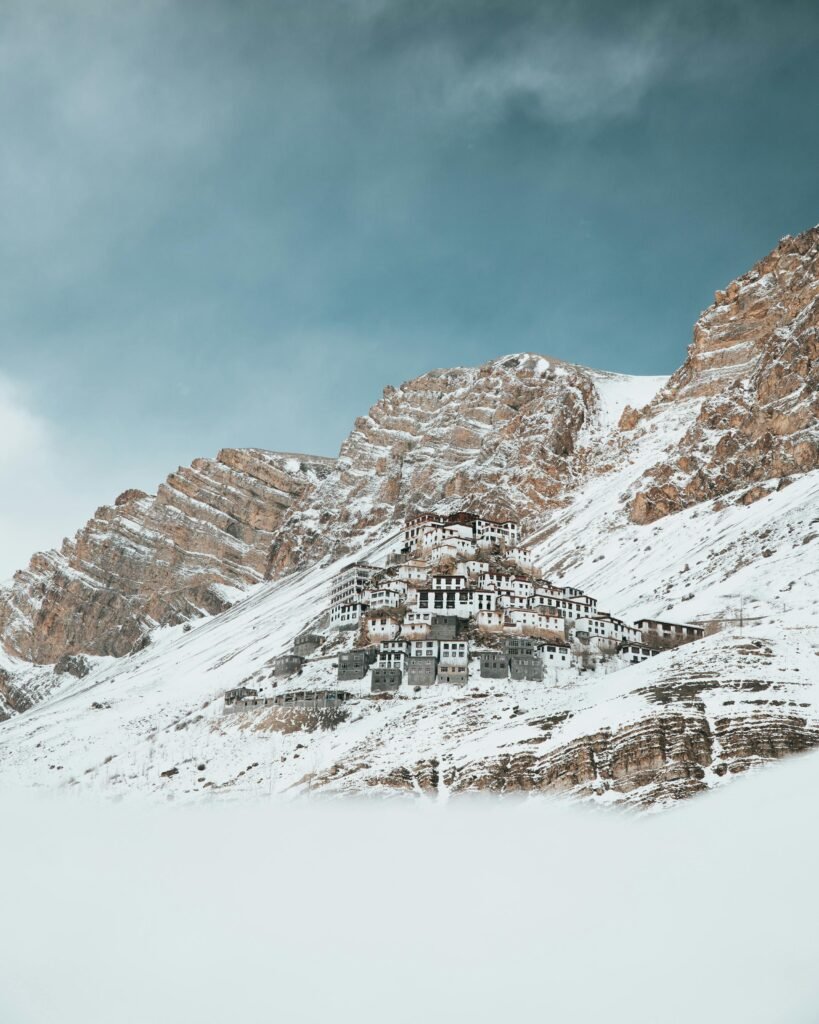
The Snow Leopard Expedition is a special Himalayan wildlife experience for photographers and nature lovers. During winter, the remote valleys around Spiti become one of the best-known regions for searching for the elusive snow leopard. Along with wildlife exploration, the journey gives you an opportunity to experience Spiti’s monasteries, villages and unique high-altitude environment. Wildlife sightings are never guaranteed because these are wild animals.
Highlights
- Trek to the world-famous Everest Base Camp
- Enjoy the amazing view of the Himalayas from Kala Patthar
- Travel through the Sherpa villages of Namche, Khumjung, Khunde, and Dingboche
- Visit Tengboche the biggest and oldest monastery n the region.
Itinerary
The Snow Leopard Expedition is a special Himalayan wildlife experience for photographers and nature lovers. During winter, the remote valleys around Spiti become one of the best-known regions for searching for the elusive snow leopard. Along with wildlife exploration, the journey gives you an opportunity to experience Spiti's monasteries, villages and unique high-altitude environment. Wildlife sightings are never guaranteed because these are wild animals.
Your Spiti wildlife adventure begins with pickup from Chandigarh in the morning.
Drive towards Shimla through the beautiful Himalayan foothills. After reaching Shimla, check in to your hotel and relax after the journey.
If time permits, you can take a short evening walk around Mall Road and Ridge. Reach narkanda at Evening
Overnight: Narkanda
After breakfast, start your journey towards the beautiful Kinnaur Valley.
The road gradually changes from green Himalayan forests to the dramatic mountain landscapes of Kinnaur. En route, stop at Sarahan, known for the famous Bhimakali Temple and beautiful views of the surrounding mountains.
Continue towards Kalpa and enjoy the changing scenery along the Sutlej Valley.
Kalpa is a peaceful mountain village surrounded by spectacular Himalayan peaks and apple orchards.
Overnight: Kalpa
Today you officially enter the fascinating world of Spiti.
After an early breakfast, drive towards Nako. Stop at Nako Lake and explore the small Himalayan village.
Continue towards Tabo, where you can visit the historic Tabo Monastery and explore the traditional mud-built settlement.
From Tabo, continue towards Kaza, the main town of Spiti Valley.
The landscape becomes increasingly barren and dramatic as you enter the high-altitude cold desert.
Overnight: Kaza
Meals: Breakfast & Dinner
Drive: Approximately 160 km
Today is one of the most important days of your expedition.
After breakfast, drive towards Kibber, one of the highest inhabited villages in Spiti and an important gateway to the Kibber Wildlife Sanctuary.
The sanctuary is home to snow leopard, ibex, blue sheep and several Himalayan bird species.
Spend time around the Kibber–Chicham region searching the mountain slopes and rocky terrain for wildlife.
The best approach is to move slowly, remain quiet and use binoculars or a spotting scope to scan distant slopes.
You may also explore Chicham village and the surrounding viewpoints.
Wildlife Possibilities:
- Snow Leopard
- Himalayan Ibex
- Blue Sheep / Bharal
- Red Fox
- Tibetan Wolf
- Himalayan birds
- Golden Eagle and other high-altitude birds
Return to Kaza in the evening.
Overnight: Kaza
Meals: Breakfast & Dinner
After breakfast, drive towards Kibber, one of the highest inhabited villages in Spiti and an important gateway to the Kibber Wildlife Sanctuary.
The sanctuary is home to snow leopard, ibex, blue sheep and several Himalayan bird species.
Spend time around the Kibber–Chicham region searching the mountain slopes and rocky terrain for wildlife.
The best approach is to move slowly, remain quiet and use binoculars or a spotting scope to scan distant slopes.
You may also explore Chicham village and the surrounding viewpoints.
Wildlife Possibilities:
- Snow Leopard
- Himalayan Ibex
- Blue Sheep / Bharal
- Red Fox
- Tibetan Wolf
- Himalayan birds
- Golden Eagle and other high-altitude birds
Return to Kaza in the evening.
Overnight: Kaza
Meals: Breakfast & Dinner
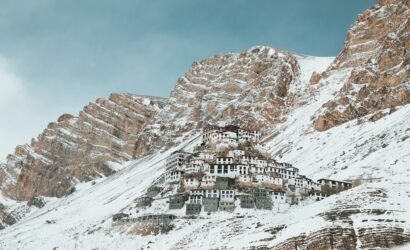
Start the day with a visit to the famous Key Monastery, dramatically located above the Spiti River valley.
After visiting the monastery, continue towards Kibber and surrounding areas for another wildlife search.
The high-altitude landscape provides excellent opportunities to observe the natural habitat of Himalayan wildlife.
Spend the afternoon patiently scanning the slopes and cliffs. If the weather and visibility are good, continue photography and wildlife observation until late afternoon.
Return to Kaza in the evening.
Overnight: Kaza
Meals: Breakfast & Dinner
Today you explore another important wildlife landscape of Spiti.
Drive towards Pin Valley, a spectacular side valley known for its rugged mountains, traditional villages and rich wildlife habitat.
Continue towards Mudh Village, one of the most famous villages in Pin Valley.
Pin Valley National Park provides habitat for snow leopard, ibex, blue sheep, Tibetan wolf, red fox and several Himalayan birds.
Spend time exploring the valley and looking for signs of wildlife.
Depending on conditions, you may spend several hours around suitable viewing areas before returning towards Kaza.
Overnight: Kaza
Meals: Breakfast & Dinner
After several days of wildlife exploration, today offers a combination of Himalayan village life and landscape photography.
Drive towards Langza, famous for its huge Buddha statue and fossil-rich surroundings.
Continue to Hikkim, one of the highest villages in the region, and then proceed to Komic, known for its high-altitude setting and traditional Spitian landscape.
Enjoy panoramic views, village walks and photography.
Depending on local wildlife activity and weather, additional wildlife observation can be arranged around suitable areas.
Return to Kaza by evening.
Overnight: Kaza
Meals: Breakfast & Dinner
After breakfast, begin your return journey.
Depending on the season and road conditions, the return route can be planned towards Manali via Kunzum Pass and the Lahaul Valley when the route is open and accessible.
The road journey offers spectacular views of the high Himalayan landscape.
Continue towards Manali, where the expedition ends.
For travellers requiring Chandigarh drop, the journey can be further extended towards Chandigarh depending on the agreed transportation plan.
Meals: Breakfast
Tour Ends: Manali / Chandigarh as per booking
Cost
The Cost Includes
- Pick-up or Drop-off service from and to Airport(in our own vehicle)
- Transportation to and from!!
- Food all along the trip(Breakfast, Lunch, Dinner and a cup of coffee or tea) and accommodations during the trip in hotels with family environment
- Transportation, food, accommodation and insurance of Guide during the trip
- Down jacket, all-season sleeping bag, duffel bag and trekking map(in case if you don’t have your own. Down jacket, sleeping bag and duffel bag must be returned after completion of the trip)
- First Aid Medical Kit(Your guide will carry the Medical Kit but we also advise to bring yourself for your own use, as far as possible)
- All the required permits and paperwork
The Cost Excludes
- International Airfare
- Visa Charges
- Hotel Expenses(In Kathmandu, some packages do include hotel expenses)
- Your travel and medical insurance
- Personal Expenses such as shopping, bar bills, hot shower, telephone, laundry, titbits etc
- Food and accommodations in Kathmandu
- Services not mentioned or not promised by the agent/agency
- Emergency expenses such as expenses on chartered helicopter.
Snow Leopard Expedition Spiti
Wildlife You May Encounter
The Spiti region is home to a fascinating range of high-altitude wildlife. During the expedition, you may have opportunities to see:
- Snow Leopard
- Himalayan Ibex
- Blue Sheep / Bharal
- Tibetan Wolf
- Red Fox
- Himalayan Woolly Hare
- Golden Eagle
- Himalayan Snowcock
- Chukar
- Red-billed Chough
The main target of the expedition is the Snow Leopard, but sightings are not guaranteed because the animal is wild, solitary and extremely well camouflaged.
Best Time for Snow Leopard Expedition
The ideal timing depends on the exact wildlife objective, road accessibility and winter conditions. Spiti experiences very cold conditions at high altitude, and winter access can be challenging. Himachal Tourism notes that temperatures in deep winter can fall to around -20°C in parts of Spiti.
For a dedicated winter wildlife expedition, travellers should be prepared for:
- Sub-zero temperatures
- Snow-covered landscapes
- Difficult mountain roads
- Limited daylight
- Basic accommodation in remote areas
- Changes in itinerary due to weather
Important Wildlife Guidelines
Please maintain a respectful distance from wildlife and never try to approach, chase or disturb an animal for a photograph. Follow local wildlife regulations and avoid loud noise around observation areas.
Himachal Tourism also advises visitors not to harass animals and to respect the natural environment while travelling in the state.
Travel with Voyage de Himalaya Tour and Taxi Service
Travel through Spiti with Voyage de Himalaya Tour and Taxi Service in a comfortable private taxi with an experienced mountain driver.
We can arrange the complete journey including:
- Private taxi
- Hotel / homestay accommodation
- Airport or railway station pickup
- Local sightseeing
- Wildlife-focused excursions
- Flexible travel arrangements
- Experienced local driver
- Customized itinerary according to your travel dates
Tour: Snow Leopard Expedition Spiti
Duration: 9 Days / 8 Nights
Tour Type: Wildlife & Adventure Expedition
Main Wildlife Area: Kibber & Pin Valley
Starting Point: Chandigarh
End Point: Manali / Chandigarh
Vehicle: Innova / Innova Crysta / suitable private vehicle
Note: Wildlife sightings and route access are subject to weather, road conditions, wildlife movement and local regulations. The itinerary may be modified when necessary for safety and better wildlife opportunities.
FAQs
Annapurna Base Camp is a Grade B or a moderately difficult trekking route. So any fit person can do this trek, even if you do not have any previous experience. You should be aware of what to expect and mentally prepare for it. Then, as long as you will too, you can.
On average, you walk about 4 to 6 hours per day. One or two days can be as less as 3hrs and one or two days can be as long as 7hrs.
The highest altitude reached is 4190m. This is the elevation of Annapurna Base Camp. ABC is the highest we will climb in this trek.
Yes, you can charge batteries en route. Charger should be brought. There are hot shower facilities as well. You may have to pay a certain amount for both ($1-$2). Negotiate. Also, a hot water facility could be free at a lower elevation.
No. There are no ATMs on this trek route. You will have to draw enough cash in Pokhara or Kathmandu. There are a number of ATMs in these cities. Everything is paid in Nepali rupees. So money should be exchanged before the start of the trek.
Yes. The Internet can be accessed in most places. Sometimes, there might be some technical problems. The Internet in Nepal is not as fast as you are used to and at times you can just lose connection.
Not really. It depends on you. If you want, ABC trekking can be done independently. You could hire a guide and a porter by yourself instead of going through an agency or not hire a guide at all. Although, not having a guide can be a little problematic during the offseason.
It really depends on you. Is it your first time in Nepal? How confident are you of being able to find your way around? How pressed on time are you? If you go through an agency, it will be costlier but everything will be planned. You will only have to come, trek and return.
For the Annapurna region, pay for guides range from $20 to $30 per day and porters take $15 to $25 per day.